
Shopify Fulfillment China: How to Ship Global Orders
Shopify Fulfillment China is a practical logistics model for ecommerce brands that manufacture, source or consolidate products in China and sell to customers around the world. Instead of shipping every product from a supplier to a domestic warehouse first, Shopify sellers can store inventory closer to production, prepare orders in China and ship directly to global customers, Amazon warehouses, wholesale partners or regional 3PLs.
For many Shopify stores, fulfillment becomes difficult when order volume grows across countries. A seller may have one supplier in Shenzhen, another in Yiwu, a packaging vendor in Guangzhou and customers in the United States, Europe, Australia, Canada and the Middle East. Without a clear fulfillment process, every order can become a manual project. Tracking numbers are scattered, customers ask for updates, inventory records drift and shipping costs become hard to forecast.
This guide explains how Shopify fulfillment in China works, when it makes sense, what sellers should prepare before moving inventory into a China fulfillment center, how shipping methods affect customer experience and how Fyllhub can support China ecommerce fulfillment for Shopify brands that want a more controlled global shipping workflow.
What Is Shopify Fulfillment China?
Shopify Fulfillment China means using a fulfillment partner in China to receive inventory, store products, pick and pack orders, apply labels, prepare packaging and arrange delivery for orders connected to a Shopify store. The fulfillment partner may also coordinate supplier pickup, product inspection, kitting, repacking, custom packaging and freight forwarding.
The model is useful because many ecommerce products are made or sourced in China. If a seller receives goods from a Chinese supplier and then ships them to a warehouse in another country before fulfilling customer orders, the seller adds time, freight cost and handling steps. A China fulfillment workflow can reduce unnecessary movement by preparing some orders near the source.
This does not mean every Shopify brand should ship every order from China forever. It means the seller can choose the best inventory flow for the business. Some brands use China fulfillment for direct-to-customer orders. Some use it for international orders while keeping domestic bestsellers in a local warehouse. Others use it for product launches, crowdfunding campaigns, replacement parts, samples, influencer kits or low-volume SKUs that do not justify local storage.
Why Shopify Sellers Use Fulfillment in China
Shopify gives brands flexibility, but that flexibility also creates logistics complexity. Unlike a single marketplace where shipment rules are standardized, Shopify sellers control their own customer promise, shipping policy, packaging, support experience and returns process. That means fulfillment must match the brand instead of simply moving boxes.
Inventory starts near the factory
When products are made in China, the first physical handoff usually happens in China. A fulfillment partner can receive goods from factories, check carton counts, review packaging, store inventory and prepare orders before international freight is required. This is especially helpful for sellers with multiple suppliers, because one fulfillment center can consolidate goods from several factories.
Global customers need flexible shipping
A Shopify store may receive orders from many countries in one day. Some customers want low-cost shipping and are willing to wait. Others pay for faster delivery. A China fulfillment partner can help sellers choose different shipping options by destination, product type, order value and delivery promise.
Brands want more control than dropshipping
Dropshipping often gives sellers limited control over packaging, inspection, inventory accuracy and tracking. A managed China fulfillment workflow gives the brand more visibility. Products can be checked before storage, custom packaging can be applied and orders can be packed according to brand standards.
New SKUs can be tested without heavy local storage
Shipping a large amount of inventory to a domestic warehouse before product-market fit is proven can be risky. China fulfillment can help brands test new SKUs, small batches or international demand before committing to larger regional inventory positions.
Shopify Fulfillment China vs Dropshipping
Shopify fulfillment from China is often confused with dropshipping, but the two models are different.
Dropshipping usually means a supplier ships individual orders directly to customers after a store receives a sale. The seller may not own inventory in advance, and the supplier may control the packaging, shipping method and dispatch timing. This can be simple at the beginning, but it can also create inconsistent quality, weak branding and limited control.
China ecommerce fulfillment is more structured. The seller owns or controls inventory that has been received by a fulfillment partner. The partner stores the products, follows agreed packing rules and ships orders based on store data. The seller can plan stock levels, inspect goods, use branded packaging, bundle products and choose shipping methods that match the customer promise.
For a serious Shopify brand, this difference matters. Customers remember late orders, damaged packaging and unclear tracking. They also notice when packaging feels generic or when a bundle arrives incomplete. A fulfillment workflow can help the brand move beyond supplier-led order handling and build a more consistent delivery experience.
When China Fulfillment Makes Sense for Shopify Brands
China fulfillment is not automatically the best answer for every store. It works best when the logistics strategy matches the product, audience and growth stage.
Products are sourced or manufactured in China
If most inventory starts in China, it is logical to consider fulfillment near the production source. This can reduce unnecessary freight steps, especially for international orders.
Orders ship to multiple countries
Global order distribution can make one domestic warehouse inefficient. A seller based in the United States may still have customers in Europe, Australia and Asia. Fulfilling some international orders from China can sometimes be cleaner than routing everything through one country.
The brand needs kitting or custom packaging
Shopify stores often sell bundles, gift boxes, influencer kits, replacement parts or personalized combinations. A China fulfillment center can assemble kits before shipping, apply inserts, change packaging and prepare cartons for different sales channels.
The store is testing new markets
If a brand is testing demand in new countries, it may not want to send bulk inventory to each local warehouse. China fulfillment can support smaller global tests while the seller studies sales data.
Local inventory is expensive or slow-moving
Not every SKU deserves domestic storage. Slow-moving accessories, long-tail variants, spare parts and low-volume products may be better stored near the source until demand is clearer.
When a Local Warehouse May Be Better
China fulfillment is powerful, but it should not be treated as the only logistics answer. Local warehouses can still be better for high-volume SKUs, urgent domestic delivery promises, subscription products, retail replenishment or products with strict import rules.
For example, if a brand promises two-day delivery across the United States, a US warehouse is usually necessary for bestsellers. If a product has complicated compliance requirements or high return rates, local handling may be better. If the product is bulky and shipping one unit internationally is expensive, bulk freight to a regional warehouse may reduce cost.
Many growing brands use a hybrid model. Bestsellers move to regional warehouses. New SKUs, international orders, replacement parts and campaign shipments stay in China fulfillment. This gives the brand flexibility without forcing every product through the same route.
Core Services in a China Shopify Fulfillment Workflow
A Shopify fulfillment workflow normally includes more than pick and pack. The best setup connects supplier management, warehouse operations, shipping and customer experience.
Supplier pickup and receiving
The fulfillment partner receives cartons from suppliers, checks basic counts and records arrival information. If there are several suppliers, the partner can consolidate goods into one warehouse location.
Product inspection
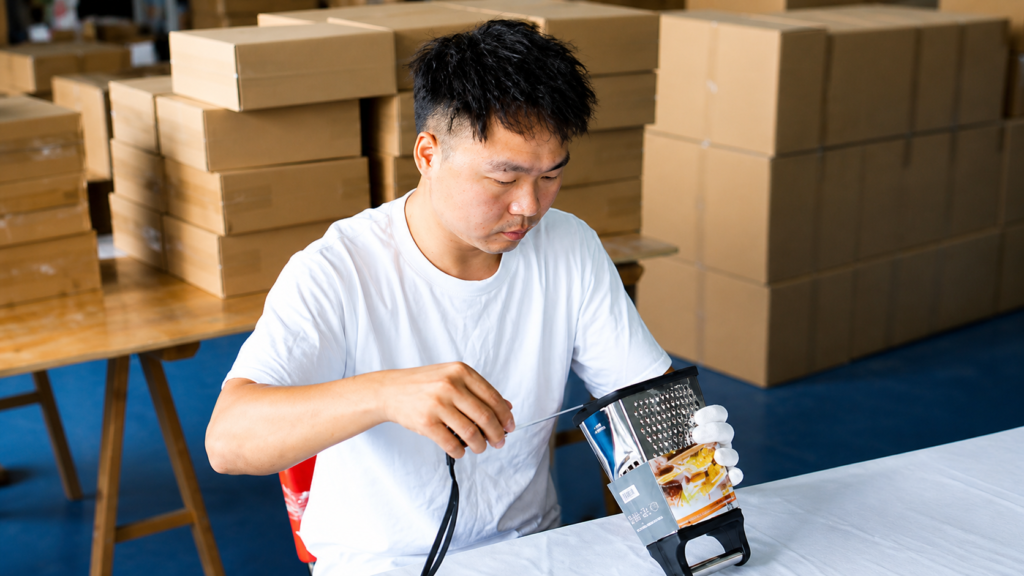
Before inventory is shipped to customers, sellers may request basic inspection. This can include quantity checks, visual checks, packaging checks, barcode checks or order-specific checks. For deeper quality control, sellers may use a dedicated Amazon FBA inspection or product inspection process before fulfillment.
Storage and inventory control
The fulfillment center stores SKUs and tracks stock levels. Good inventory control matters because Shopify stores can sell across multiple apps, campaigns and sales channels. Stock errors can create overselling, refunds and support problems.
Pick and pack
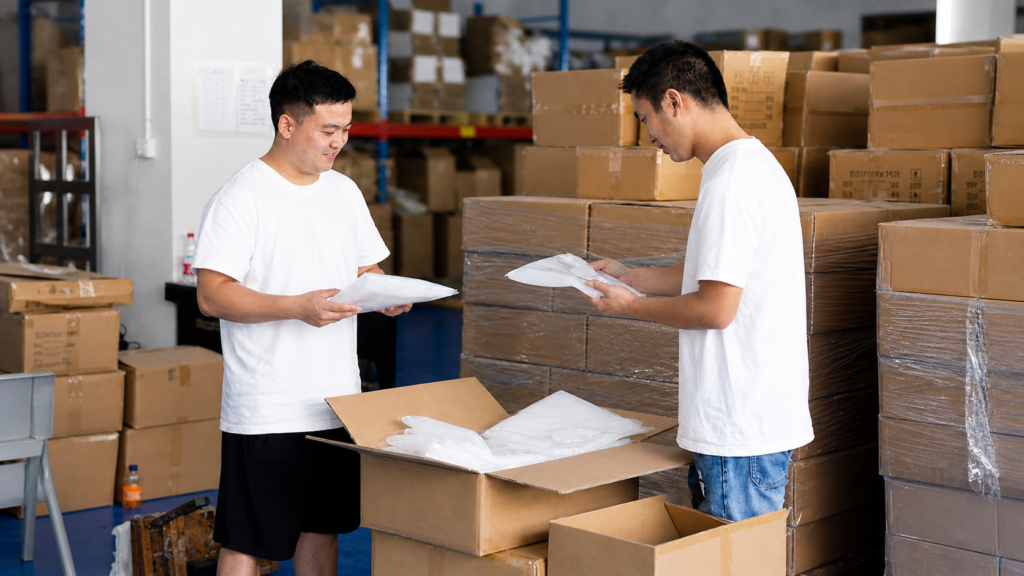
When an order enters the workflow, the fulfillment team picks the right SKU, checks the quantity, packs the order and applies the shipping label. Packing rules can include bubble wrap, mailer type, carton size, inserts, thank-you cards or bundle instructions.
Custom packaging and kitting
Shopify brands often rely on packaging to create a better customer experience. A fulfillment partner can help apply branded boxes, poly mailers, stickers, inserts, cards or set-building instructions. Kitting is especially useful for bundles, launch boxes and product sets.
Shipping and tracking
The fulfillment partner arranges shipping based on destination, weight, product category, value and delivery timeline. Tracking information should flow back to the seller so customers can receive updates.
Shopify Fulfillment and DDP Shipping
Many Shopify sellers ask whether DDP shipping from China is useful for customer orders. DDP means delivered duty paid, where duties and import charges are handled in the shipping arrangement instead of surprising the recipient at delivery.
For direct-to-customer ecommerce, surprise customs charges can damage the customer experience. A buyer may abandon future purchases if they receive an unexpected fee from a carrier. For some routes and product categories, DDP shipping can make the delivery promise easier to understand because the cost is planned before shipment.
However, DDP is not always the cheapest or best option. Product category, declared value, destination country, duties, taxes, shipping method and compliance rules all matter. A seller should discuss the route with a China freight forwarder or fulfillment partner before promising tax-inclusive shipping on the storefront.
Fyllhub can help sellers compare options for direct shipping, DDP routes, bulk freight, Amazon FBA replenishment and regional warehouse handoffs so the fulfillment model fits the store promise.
How Shopify Orders Flow from Store to Warehouse
A reliable fulfillment process needs a clean order flow. In a typical setup, the Shopify store receives an order, order details are exported or integrated into the fulfillment workflow, the warehouse verifies inventory, the team packs the order, the shipping label is generated and the tracking number is sent back to the seller or store system.
The exact integration depends on the tools the seller uses. Some brands use direct app integrations. Others begin with CSV exports or manual order batches while volume is still low. The important point is that order data must be accurate. Customer name, address, phone number, SKU, variant, quantity and shipping method should be clear before the warehouse packs the order.
Address quality is especially important for global fulfillment. Missing apartment numbers, invalid postal codes, unsupported destinations and phone number issues can create delays. Sellers should use checkout validation where possible and create a customer service process for incomplete addresses.
Inventory Planning for Shopify Fulfillment in China
Good fulfillment depends on inventory planning. If inventory is always running out, customers wait. If too much inventory is stored without sales, cash is trapped in stock. A China fulfillment center can help store and dispatch products, but the seller still needs to forecast demand.
Start with SKU-level sales data. Review average daily sales, campaign peaks, seasonal demand, reorder lead time, production time and shipping time. Then decide how much inventory should remain in China and how much should move to regional warehouses.
For new products, it is often safer to hold smaller batches and reorder more frequently until demand is proven. For stable products, sellers can plan deeper stock and use China fulfillment for international orders, wholesale kits or replenishment shipments. The goal is not simply to store products somewhere. The goal is to keep enough inventory in the right place to support sales without creating unnecessary storage cost.
Packaging Decisions That Affect Shopify Fulfillment
Packaging has a direct effect on shipping cost, damage risk and customer perception. Shopify sellers should review packaging before inventory enters the fulfillment workflow.
Large boxes can increase dimensional weight, even if the product is light. Weak packaging can cause damage during international shipping. Unclear SKU labels can slow picking. Oversized inserts can create packing problems. Branded packaging can improve customer experience, but it needs to fit the product, shipping method and cost target.
Before scaling fulfillment, sellers should prepare packing instructions. These may include the preferred mailer or carton, protective material, label position, insert rules, bundle rules, gift note rules and photo check requirements for special orders. Clear instructions reduce mistakes and help the warehouse train the team.
How to Choose a China Fulfillment Partner for Shopify
Choosing a fulfillment partner is not only about price per order. Shopify sellers should compare operational fit, communication, shipping options, inventory control, packaging support and ability to coordinate with suppliers.
Important questions include:
- Can the partner receive goods from multiple suppliers?
- Can it inspect cartons or products before storage?
- Can it support branded packaging and kitting?
- Can it ship to the main countries where customers buy?
- Can it provide tracking numbers quickly?
- Can it handle Shopify order data cleanly?
- Can it support DDP shipping or freight forwarding when needed?
- Can it help with Amazon FBA, wholesale, samples or regional warehouse replenishment?
- Can it communicate clearly when products are delayed, damaged or out of stock?
The best partner should help the seller prevent problems, not only react after customers complain. Clear onboarding, SKU setup, packaging rules and shipping method testing are signs of a more mature workflow.
Common Shopify Fulfillment Mistakes
Treating every SKU the same
Some products need fast local delivery. Others can ship from China. Some products are fragile, oversized or restricted. Sellers should build fulfillment rules by SKU instead of forcing one universal method.
Forgetting about packaging weight
Packaging can affect cost more than expected. A small change in carton size or protective material can change the shipping tier. Sellers should test packaging before scaling.
Ignoring tracking experience
Tracking quality affects customer trust. If tracking is slow, confusing or unavailable, support tickets increase. Sellers should review tracking visibility by destination and shipping method.
Moving inventory without inspection
If defective products enter storage, the warehouse may ship bad units to customers before the seller notices. Basic inspection can reduce refund and review risk.
Promising delivery times before testing routes
Shipping estimates should be based on real data, not best-case assumptions. Test routes to key countries before placing promises in Shopify checkout, product pages or shipping policy pages.
Internal Links and Customer Support Pages Matter
Fulfillment is not only a back-office operation. The Shopify storefront should explain shipping clearly. Product pages, shipping policy pages, FAQ pages and order confirmation emails should match the real fulfillment process.
If some products ship from China and others ship from a local warehouse, the customer should understand expected delivery windows. If duties are included for certain destinations, say so clearly. If remote areas take longer, explain it. Clear storefront communication can reduce refund requests and support tickets.
For SEO, this also matters. A Shopify brand that explains shipping, delivery, returns and product handling in detail can build more trust with buyers and search engines. Fyllhub's own SEO plan recommends stronger internal links between service pages, fulfillment guides, freight guides and FAQ content so commercial pages and educational articles support each other.
How Fyllhub Helps Shopify Brands Ship from China
Fyllhub helps ecommerce sellers build a practical fulfillment workflow from China. Instead of separating sourcing, inspection, storage, packing and shipping into disconnected vendors, Fyllhub can support several steps in one coordinated process.
Fyllhub can help with:
- Receiving products from Chinese suppliers
- Supplier consolidation
- Basic product and carton checks
- Inventory storage
- Pick and pack fulfillment
- Branded packaging support
- Product kitting and bundle preparation
- China order fulfillment for global customers
- DDP shipping and freight coordination
- Amazon FBA replenishment
- Shopify, WooCommerce and ecommerce order workflows
This is useful for Shopify brands that want to scale beyond informal supplier shipping. With a managed process, sellers can reduce manual coordination, create clearer shipping rules and improve the customer experience.
If your Shopify store sources products in China and needs a cleaner fulfillment process, you can request a custom quote from Fyllhub. Share your product type, monthly order volume, main customer countries, packaging needs and current supplier locations so the team can recommend a fulfillment setup.
FAQ
What is Shopify Fulfillment China?
Shopify Fulfillment China is a logistics setup where a fulfillment partner in China stores inventory, packs Shopify orders and ships products to customers or warehouses. It is commonly used by ecommerce brands that source or manufacture products in China.
Is China fulfillment the same as dropshipping?
No. Dropshipping usually relies on a supplier to ship orders directly. China fulfillment is usually more controlled because the seller owns or manages inventory stored at a fulfillment center, with agreed packing, shipping and inventory rules.
Can Fyllhub ship Shopify orders worldwide?
Fyllhub can help ecommerce sellers arrange China order fulfillment and shipping to many global destinations, depending on product type, destination, shipping method and compliance requirements.
Can I use branded packaging for Shopify orders?
Yes, Shopify sellers can often use branded packaging, inserts, stickers, custom boxes or bundle instructions when those materials are prepared and stored with the fulfillment partner.
Is DDP shipping useful for Shopify stores?
DDP shipping can be useful when sellers want duties and import charges handled before delivery, reducing surprise fees for customers. It depends on destination, product category, value and route.
Should I store all inventory in China?
Not always. Many brands use a hybrid model. Bestselling SKUs may move to regional warehouses, while new products, international orders, spare parts or slower-moving SKUs remain in China fulfillment.
How do I get started with Shopify fulfillment in China?
Prepare SKU details, supplier locations, monthly order volume, destination countries, packaging requirements and preferred shipping timelines. Then request a quote so the fulfillment partner can design a practical workflow.
Final Thoughts
Shopify Fulfillment China can help ecommerce brands connect production, storage, packaging and global delivery in a more controlled way. For sellers that source from China, it can reduce unnecessary movement, support international customers, improve packaging control and make new product testing easier.
The best results come from matching the fulfillment model to the brand's real order profile. Some SKUs may ship from China. Some may belong in regional warehouses. Some may need inspection, kitting, DDP shipping or special packaging. A thoughtful workflow gives the brand more options and gives customers a clearer delivery experience.
Fyllhub can help Shopify sellers plan that workflow from supplier pickup to customer delivery. To compare options for your products, request a quote from Fyllhub.




 Chat on WhatsApp