
Ecommerce Fulfillment Guide: From Factory to Customer
Ecommerce fulfillment is the complete process of moving products from inventory to customers after an online order is placed. It includes receiving goods, storing stock, picking the right items, packing orders, choosing shipping methods, sending tracking numbers and handling exceptions such as damaged goods, returns or address issues.
For online sellers that source from China, ecommerce fulfillment is even more important because the supply chain often starts far from the customer. A product may be manufactured in Shenzhen, packed with branded inserts in Guangzhou, stored in a China fulfillment center and shipped to buyers in the United States, the United Kingdom, Canada, Australia or Europe. If the process is not planned, every order can create manual work and customer support pressure.
This guide explains how ecommerce fulfillment works from factory to customer, what brands should consider when choosing a fulfillment model, how China-based fulfillment can support global sellers and how Fyllhub can help ecommerce brands build a more reliable China ecommerce fulfillment workflow.
What Is Ecommerce Fulfillment?
Ecommerce fulfillment is the operational system behind online orders. When a customer buys from a Shopify store, WooCommerce site, Amazon listing, marketplace shop or brand website, someone has to prepare and ship the order. Fulfillment turns an online transaction into a delivered product.
The basic fulfillment process usually includes:
- Receiving inventory from suppliers
- Checking quantities and product details
- Storing SKUs in a warehouse
- Syncing or importing orders
- Picking the correct products
- Packing items safely
- Applying shipping labels
- Sending tracking information
- Managing delivery issues
- Supporting returns or replacements
Good fulfillment should feel invisible to the customer. The buyer places an order, receives updates and gets the product as promised. Behind that smooth experience is a detailed warehouse and shipping workflow.
Why Fulfillment Matters for Ecommerce Growth
Fulfillment affects profit, customer satisfaction, repeat purchase rate and brand trust. A store can have great product photos, strong ads and persuasive copy, but if orders arrive late, damaged or without tracking, customers will remember the delivery problem more than the sales page.
For growing ecommerce brands, fulfillment matters because it touches several parts of the business.
Customer experience
Customers want clear delivery expectations, tracking and reliable packaging. If delivery is confusing or slow, support tickets increase. If a package arrives damaged, the brand pays for refunds, replacements and lost trust.
Cash flow
Inventory that sits in the wrong warehouse can tie up cash. Shipping one unit at a time through expensive routes can reduce margin. A better fulfillment model helps brands place inventory where it can sell without creating unnecessary storage cost.
Operations
Manual order handling may work for the first few sales, but it becomes stressful when order volume grows. Fulfillment systems reduce manual copying, supplier chasing and spreadsheet errors.
SEO and conversion
Shipping pages, FAQ content and fulfillment transparency help customers make buying decisions. For service businesses such as Fyllhub, explaining fulfillment clearly also supports organic search visibility for keywords like Ecommerce Fulfillment, China Order Fulfillment and China Fulfillment Center.
The Main Ecommerce Fulfillment Models
There is no single fulfillment model that works for every brand. The right choice depends on product type, order volume, customer location, delivery promise and where inventory starts.
In-house fulfillment
In-house fulfillment means the seller stores and ships products from its own space. This may be a home office, small warehouse or company facility. It gives the seller direct control, but it also requires space, staff, packing materials, shipping accounts and process management.
This model can work for small brands or premium products that need close handling. It becomes harder when order volume grows, products become more complex or customers are spread across countries.
Local third-party logistics
A local 3PL stores and ships inventory in the seller's target market. For example, a US-focused store may use a US warehouse to offer faster domestic shipping. This can improve delivery speed, but inventory must usually be shipped in bulk to the local warehouse before customer orders can be fulfilled.
Local 3PLs are useful for bestsellers, domestic delivery promises and products with predictable demand.
China ecommerce fulfillment
China ecommerce fulfillment means storing and shipping products from China, often near the manufacturing or sourcing location. This can be useful for brands that source from China, sell globally, test new SKUs or want to avoid moving every product through a single domestic warehouse.
Fyllhub's China fulfillment center guide explains this model in detail. The short version is that sellers can receive goods from suppliers, consolidate inventory, pack orders and ship globally from a China-based workflow.
Hybrid fulfillment
Many mature ecommerce brands use more than one model. Bestselling SKUs may be stored in local warehouses for fast delivery. Long-tail products, new SKUs, replacement parts, international orders and campaign shipments may ship from China. This hybrid model gives the brand flexibility and helps balance speed, cost and inventory risk.
From Factory to Customer: The Fulfillment Flow
A strong ecommerce fulfillment process should be designed before products leave the supplier. The earlier logistics is considered, the fewer surprises appear later.
Step 1: Supplier coordination
The process starts with suppliers. Sellers need to know when goods will be ready, how many cartons will be produced, what the carton dimensions are and whether products are correctly labeled. If several suppliers are involved, consolidation may be needed before orders can be shipped.
Fyllhub can support supplier pickup and consolidation so products from multiple factories move into one fulfillment workflow instead of being handled separately.
Step 2: Receiving and checking inventory
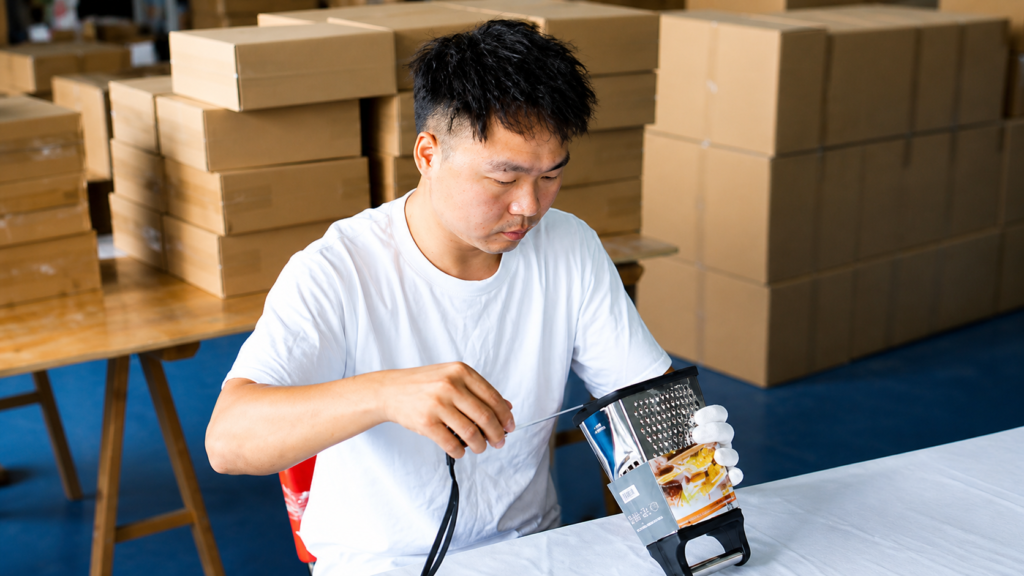
When goods arrive at the fulfillment center, the warehouse checks what has been received. This may include carton counts, SKU confirmation, visible damage checks, barcode checks or basic product inspection. The goal is to identify problems before products are shipped to customers.
For Amazon sellers or higher-risk products, a more detailed Amazon FBA inspection process may be useful before inventory is accepted into sellable stock.
Step 3: Storage and inventory setup
Products are stored by SKU, variant, batch or other agreed rules. Inventory must be visible enough for the seller to know what is available, what is reserved and what needs replenishment.
Good inventory setup is especially important for stores with many sizes, colors, bundles or accessories. A small SKU naming mistake can lead to wrong shipments.
Step 4: Order import or integration
Orders must move from the sales channel to the fulfillment partner. Some sellers use direct integrations, some use order management systems and some begin with CSV exports. The best method depends on volume and technical setup.
No matter how orders are transferred, the data must be complete. The warehouse needs customer name, address, phone number when required, SKU, variant, quantity, shipping method and any packing instructions.
Step 5: Picking and packing
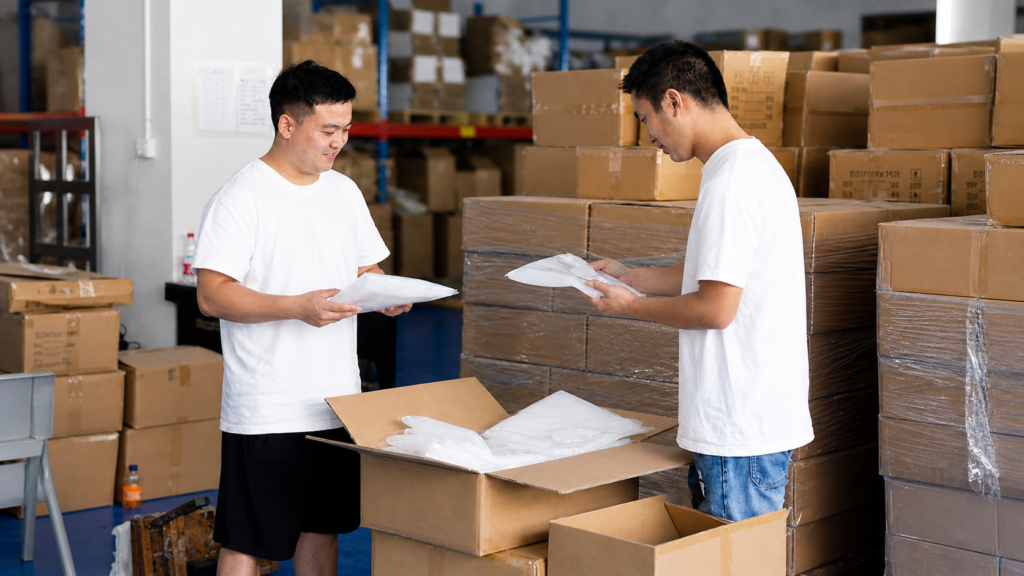
The warehouse picks the correct products and packs the order. Packing may include protective material, custom boxes, stickers, inserts, branded mailers or bundle assembly. Clear packing rules reduce mistakes and help the customer receive a consistent brand experience.
Step 6: Shipping and tracking
Shipping method selection depends on destination, product type, weight, dimensions, declared value, delivery promise and cost target. Tracking information should be returned quickly so customers can monitor delivery.
Step 7: Exception handling
Every fulfillment process needs a plan for exceptions. These may include invalid addresses, out-of-stock items, damaged products, restricted goods, customs questions, delayed shipments or missing tracking updates. A good fulfillment partner communicates issues early so the seller can protect the customer experience.
China Ecommerce Fulfillment for Global Sellers
China ecommerce fulfillment is valuable because many products sold online are manufactured or sourced in China. If products already start in China, storing some inventory near the source can reduce unnecessary movement.
This model can be especially useful for:
- Shopify stores selling internationally
- WooCommerce brands with global customers
- Amazon sellers that also sell direct-to-consumer
- Crowdfunding campaigns
- Product launch teams
- Accessory and spare part sellers
- Brands with several Chinese suppliers
- Sellers testing new markets
For example, a brand may keep bestsellers in a US warehouse but ship international orders, replacement parts and new product tests from China. Another brand may use China fulfillment while validating demand before investing in local 3PL inventory.
The main benefit is flexibility. China fulfillment can connect sourcing, inspection, storage, packing, freight forwarding and global shipping in one controlled process.
Ecommerce Fulfillment for Shopify and WooCommerce
Shopify and WooCommerce sellers often need similar fulfillment support, but their workflows may be different.
Shopify stores often use apps and integrations to connect orders to fulfillment partners. They may sell through paid ads, social commerce, email campaigns and international storefronts. A Shopify fulfillment China workflow can help sellers pack orders, apply branded packaging and ship to global customers from China.
WooCommerce stores are built on WordPress and may use custom checkout, plugins and order workflows. A WooCommerce fulfillment China process should account for SKU variants, order exports, plugin compatibility, customer notes and address quality.
In both cases, the seller needs accurate order data, clear packing rules, inventory visibility and shipping methods that match the promise shown on the storefront.
Ecommerce Fulfillment and DDP Shipping
International ecommerce customers dislike surprise fees. If a buyer pays at checkout and later receives a customs bill from a carrier, the customer may refuse the package, ask for a refund or leave a negative review.
DDP shipping can help in some cases. DDP means delivered duty paid. In practical ecommerce fulfillment, it usually means duties and import-related charges are included in the shipping arrangement before delivery. This can make the customer experience simpler because the buyer is less likely to face an unexpected fee at the door.
DDP is not a universal solution. Availability and cost depend on destination, product category, value, route, taxes and customs rules. Sellers should confirm the route before advertising duty-paid delivery. Fyllhub can help brands compare DDP shipping from China, standard direct shipping, bulk freight and regional warehouse replenishment.
Inventory Planning in Ecommerce Fulfillment
Inventory planning is one of the biggest differences between a casual store and a scalable ecommerce business. Fulfillment partners can store and ship products, but sellers still need to decide how much stock to produce, where to hold it and when to replenish.
Important inventory questions include:
- Which SKUs sell every day?
- Which SKUs are seasonal?
- Which products have long production lead times?
- Which items are expensive to ship one unit at a time?
- Which products should be kept near the customer?
- Which products can remain in China until demand is clearer?
- Which variants create the most stock errors?
For new products, smaller test batches may be safer. For proven products, bulk replenishment to local warehouses may reduce delivery time. For slow-moving items, China storage may avoid unnecessary regional warehouse cost.
The best fulfillment plan should match inventory placement to sales behavior. A brand does not need every product in every warehouse. It needs the right products in the right places.
Packaging, Kitting and Brand Experience
Fulfillment is not only about shipping labels. Packaging affects customer satisfaction, product protection and brand perception.
Ecommerce sellers should decide:
- What outer packaging should be used
- Whether product packaging needs extra protection
- Whether branded inserts are required
- Whether bundles should be pre-kitted or assembled on demand
- Whether fragile items need special handling
- Whether photos are needed for high-value orders
- Whether packaging size increases dimensional weight
Kitting is especially useful for bundles, launch boxes, subscription packs, influencer kits and multi-item offers. If the brand sells product sets, the fulfillment partner should understand which items belong together and how each set should be packed.
For brands sourcing from China, custom packaging can often be prepared near the supplier and stored with the fulfillment center. This creates a more professional customer experience than supplier dropshipping.
Shipping Method Selection
Shipping method selection is one of the most important fulfillment decisions. Sellers should avoid choosing only the cheapest option without considering delivery promise, tracking quality, product restrictions and support workload.
Key factors include:
- Destination country
- Product weight and dimensions
- Declared value
- Product category and restrictions
- Delivery timeline
- Tracking visibility
- Duty and tax handling
- Customer expectations
- Margin and average order value
Some orders need economy delivery. Some need faster express service. Some need DDP shipping. Some should move in bulk through a China freight forwarder to a regional warehouse. A strong fulfillment partner helps sellers choose the route that fits the order, not just the lowest quote.
Returns, Replacements and Customer Support
Returns should be planned before order volume grows. International ecommerce returns can be expensive, so sellers need a practical policy.
Options may include:
- Local return addresses
- Replacement without return for low-cost products
- Photo-based damage review
- Batch returns to China
- Refund rules by product category
- Warranty replacement workflows
The right return policy depends on product value, defect rate, shipping cost and customer expectations. What matters is that the policy shown on the website matches the operational reality.
Customer support should also have access to shipping timelines, tracking status, product replacement rules and duty information. A fulfillment process is only strong if the customer-facing team can explain it clearly.
Fulfillment Metrics Sellers Should Track
To improve ecommerce fulfillment, sellers need to track more than order count. Useful metrics include:
- Order processing time
- On-time shipment rate
- Delivery time by destination
- Tracking upload speed
- Pick and pack error rate
- Damage rate
- Return rate
- Inventory accuracy
- Storage cost by SKU
- Shipping cost as a percentage of revenue
- Customer support tickets related to delivery
These metrics help sellers decide whether to adjust packaging, change shipping routes, move stock to another warehouse or improve storefront delivery messaging.
How to Choose an Ecommerce Fulfillment Partner
Choosing a fulfillment partner should be based on fit, not only price. A low pick and pack fee is not useful if the partner cannot handle your packaging, shipping destinations, inventory complexity or customer expectations.
Ask potential partners:
- Can you receive goods from Chinese suppliers?
- Can you consolidate multiple suppliers?
- Can you perform basic checks before storage?
- Can you manage SKU variants and bundles?
- Can you support branded packaging?
- Can you ship to our target countries?
- Can you offer DDP shipping options where appropriate?
- Can you help with freight forwarding and regional warehouse replenishment?
- Can you support Shopify, WooCommerce or marketplace order workflows?
- How quickly can tracking be returned?
- How are damaged goods, stock errors and address issues handled?
A good partner should help the seller prevent problems before they affect customers. Communication, process clarity and flexibility matter as much as warehouse pricing.
How Fyllhub Supports Ecommerce Fulfillment
Fyllhub helps ecommerce brands coordinate fulfillment from China, especially when products are sourced, manufactured or consolidated there. Instead of managing separate vendors for sourcing, inspection, warehousing, packing and freight, sellers can build a more connected process.
Fyllhub can help with:
- Supplier pickup and receiving
- China warehouse storage
- Inventory organization
- Basic product and carton checks
- Pick and pack fulfillment
- Branded packaging and inserts
- Kitting and bundle preparation
- Shopify fulfillment workflows
- WooCommerce fulfillment workflows
- DDP shipping coordination
- China freight forwarding
- Amazon FBA and regional warehouse replenishment
This is useful for brands that want more control than dropshipping but do not want to build their own China warehouse operation. Fyllhub can help sellers choose the right mix of direct fulfillment, freight forwarding and regional inventory based on product type, destination and growth stage.
If your ecommerce brand sources products from China and needs a clearer fulfillment process, you can request a custom quote from Fyllhub. Share your SKU count, monthly order volume, main customer countries, supplier locations, packaging needs and delivery goals so the team can recommend a practical setup.
FAQ
What is ecommerce fulfillment?
Ecommerce fulfillment is the process of receiving inventory, storing products, picking and packing orders, shipping them to customers and managing tracking, delivery issues, returns or replacements.
What is China ecommerce fulfillment?
China ecommerce fulfillment means using a fulfillment partner in China to receive goods from suppliers, store inventory, pack ecommerce orders and ship products to customers or warehouses worldwide.
Is ecommerce fulfillment the same as dropshipping?
No. Dropshipping usually relies on a supplier to ship orders directly. Ecommerce fulfillment is more controlled because inventory is stored, packed and shipped through an agreed warehouse workflow.
When should I use China fulfillment instead of a local 3PL?
China fulfillment can be useful when products are made in China, customers are global, SKUs are still being tested, or slow-moving products do not justify local storage. A local 3PL may be better for high-volume domestic bestsellers.
Can ecommerce fulfillment include DDP shipping?
Yes. Some fulfillment workflows can include DDP shipping, where duties and import charges are handled before delivery. Availability depends on product type, value, route and destination country.
Can Fyllhub support Shopify and WooCommerce fulfillment?
Fyllhub can help ecommerce sellers build fulfillment workflows for Shopify, WooCommerce and other online sales channels, depending on order data, SKU setup, packaging needs and shipping destinations.
How do I start improving ecommerce fulfillment?
Start by reviewing SKU data, supplier locations, order volume, customer countries, packaging rules, shipping promises and current pain points. Then request a quote from a fulfillment partner that can support your workflow.
Final Thoughts
Ecommerce fulfillment is the operating system behind online growth. It connects suppliers, inventory, packaging, shipping, tracking and customer experience. When fulfillment is weak, customers feel it quickly. When fulfillment is planned well, the brand can scale with fewer manual problems.
For sellers that source from China, a China-based fulfillment workflow can be a powerful part of the strategy. It can support global orders, product testing, branded packaging, DDP shipping, supplier consolidation and regional warehouse replenishment.
Fyllhub can help ecommerce brands design that workflow from factory to customer. To compare options for your products and sales channels, request a quote from Fyllhub.




 Chat on WhatsApp